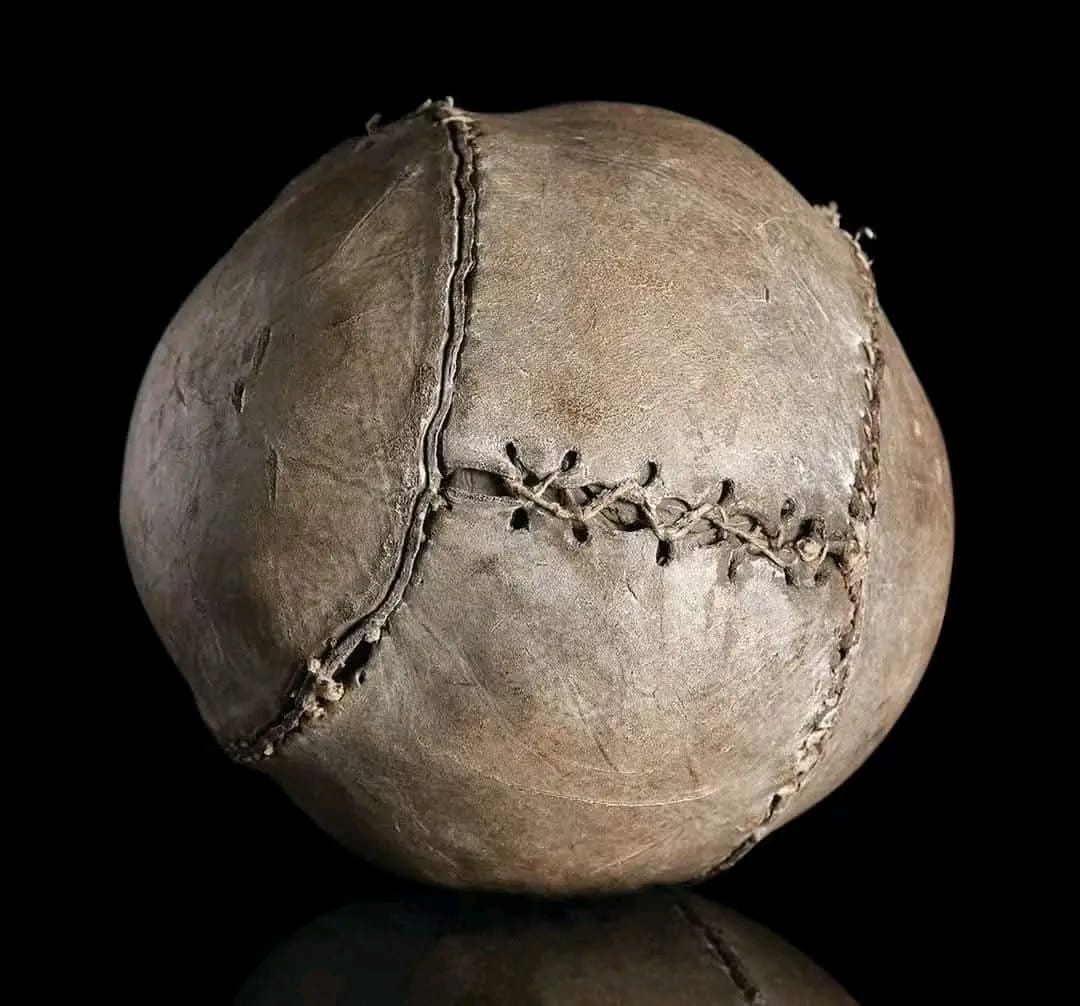
The world's oldest surviving football has embarked on an extraordinary journey from Stirling, Scotland, to Miami, Florida, where it will be displayed during the 2026 FIFA World Cup. This historic artifact, dating back to the 16th century, offers a unique glimpse into the early origins of the beautiful game.
A Piece of Football History
Discovered in the rafters of Stirling Castle in the 1970s, the ball is believed to have been used in a traditional Shrovetide football match, a precursor to modern football. It is made of leather and inflated with a pig's bladder, measuring about 14 inches in diameter. The ball's journey to the United States marks a symbolic link between the sport's ancient roots and its contemporary global showcase.

From Stirling to South Beach
The ball was loaned to the Miami World Cup Committee by the Smith Art Gallery and Museum in Stirling. It will be exhibited at the FIFA Fan Festival in Miami Beach, where millions of fans from around the world are expected to gather. Experts have carefully transported the fragile artifact in a climate-controlled case, ensuring its preservation for future generations.
- Age: Over 450 years old (circa 1540)
- Material: Leather cover with pig's bladder lining
- Discovery: Found in Stirling Castle's rafters
- Destination: Miami, Florida, for the 2026 World Cup
This exhibition highlights the deep history of football, which predates the codified rules established in England in 1863. The ball's presence at the World Cup serves as a reminder that the sport has evolved over centuries, connecting cultures across continents.
Significance of the Artifact
Dr. John McKendrick, a historian at the University of Stirling, said: "This ball represents the raw, unstructured beginnings of football. It's a tangible link to the players who kicked it through muddy streets centuries ago." The exhibition also includes documents and illustrations depicting early football games, providing context for the ball's use.

For comparison, the oldest known football in South America is a pre-Columbian rubber ball from Mexico, but the Stirling ball is considered the oldest in Europe. Its preservation offers invaluable insights into the evolution of sports equipment.
World Cup Connections
The 2026 World Cup is co-hosted by the United States, Canada, and Mexico. The ball's display in Miami coincides with matches held in the city, including group stage games at Hard Rock Stadium. Fans visiting the fan festival can see the ball alongside other memorabilia, such as jerseys from past tournaments and interactive exhibits.
In related news, South Korea howler gifts Mexico victory as World Cup co-hosts reach knockout phase shows the drama on the pitch. While Mexico celebrates their progress, the oldest football reminds us that the game's spirit has always been about passion and unpredictability.
Preservation and Legacy
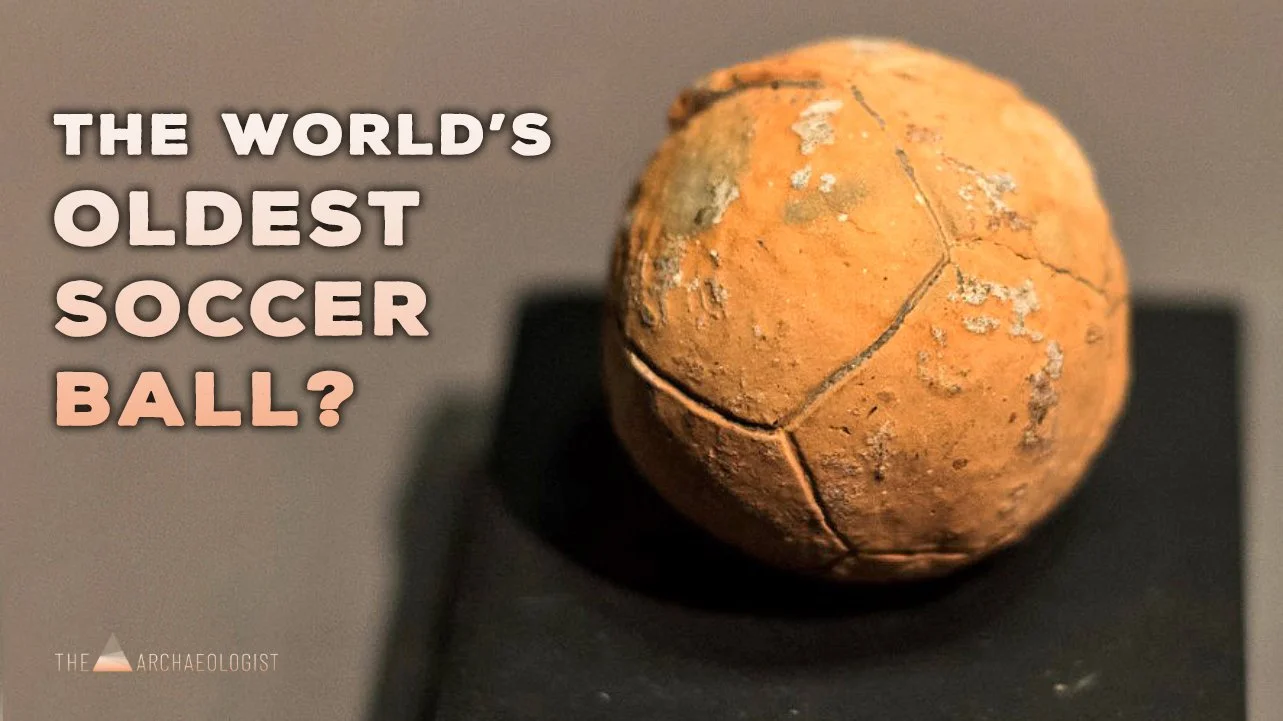
The ball's condition is surprisingly good, with some stitching intact but the leather cracked. Conservators from the Smithsonian Institution assisted in preparing the artifact for travel. They applied a gentle cleaning solution and reinforced the structure to prevent further deterioration.
After the World Cup, the ball will return to Scotland, but its journey is expected to inspire a documentary about the history of football. The exhibition also features a replica that fans can touch, while the original remains behind glass.

For football enthusiasts, seeing the oldest ball is a once-in-a-lifetime opportunity. It bridges the gap between the simple games played in Scottish streets and the multi-billion-dollar industry that is today's World Cup.