FIFA’s innovative hydration breaks during the 2026 World Cup have sparked a massive advertising boom, with companies spending an estimated $250 million on ad slots during these breaks in the United States alone. As the tournament co-hosted by the USA, Canada, and Mexico approaches, the question arises: Are these strategic pauses here to stay, or just a temporary gimmick?
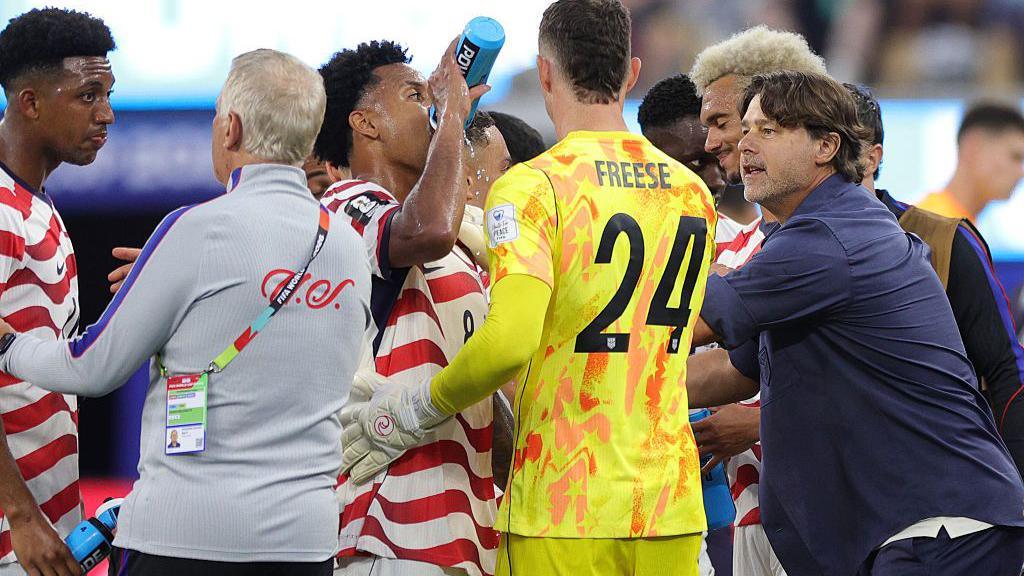
What Are Hydration Breaks?
Hydration breaks are official pauses in play, typically lasting around 90 seconds to three minutes, designed to allow players to rehydrate during matches played in extreme heat or humidity. Introduced by FIFA to prioritize player safety, these breaks have quickly become a lucrative advertising opportunity. Broadcasters sell dedicated ad slots during these pauses, and the revenue has been staggering.
According to recent reports, the total ad spend during hydration breaks in the USA alone for the 2026 World Cup is projected to hit $250 million. This figure does not include additional revenue from digital platforms, stadium signage, or sponsorship activations. Brands are eager to capture the attention of the massive global audience, with the USA market being particularly attractive due to its high viewership and commercial potential.
The Financial Impact
The $250 million figure is a drop in the ocean compared to the overall World Cup advertising market, which is estimated to exceed $2 billion in the USA alone. However, hydration breaks represent a concentrated, high-impact opportunity. Each break commands premium rates, with a 30-second slot costing up to $800,000 during the group stage and even more in the knockout rounds.
Advertisers are not just buying airtime but also leveraging social media to amplify their messages. Hashtags like #HydrationBreak and #WorldCupAds trend during matches, extending the reach of campaigns. Meanwhile, FIFA benefits from the increased commercial appeal, potentially making hydration breaks a permanent fixture in future tournaments.
Player Safety vs. Commercial Interests
Critics argue that hydration breaks disrupt the flow of the game and are primarily motivated by commercial gain rather than player welfare. However, medical experts point out that in high-temperature conditions, such breaks are essential to prevent heat-related illnesses. The 2026 World Cup, spanning across multiple climate zones, will see matches played in cities like Dallas and Toronto, where summer temperatures can soar.
FIFA has maintained that player safety remains the priority. A spokesperson stated, “The health of players is non-negotiable. Hydration breaks are implemented based on scientific data and weather conditions. The advertising opportunities are a secondary outcome.”

Future of Hydration Breaks
Given the financial success, it seems likely that hydration breaks will become a standard feature of future World Cups, not just in hot climates but possibly across all matches. Broadcasters are lobbying FIFA to make the breaks mandatory, as they provide a reliable commercial break in a sport that traditionally has very few. However, some fans and traditionalists resist the change, viewing it as a sell-out to commercial interests.
The impact on the game itself is still debated. While some feel the breaks allow teams to regroup and strategize, others believe they break momentum. Yet, the numbers don't lie: the ad revenue from hydration breaks is too significant for FIFA and broadcasters to ignore. As the South Korea howler gifts Mexico victory as World Cup co-hosts reach knockout phase showed, the tournament is full of surprises, and hydration breaks might just be the next big thing.
- Player Welfare: Breaks reduce heat stress and injury risk.
- Commercial Boom: $250 million in US ad revenue alone.
- Fan Reception: Mixed feelings about game flow interruption.
- FIFA's Stance: Committed to safety but open to commercial opportunities.
As the 2026 World Cup approaches, all eyes will be on how these breaks impact the beautiful game. With billions in advertising revenue at stake, it's clear that hydration breaks are more than just a cool-down – they're a financial game-changer.