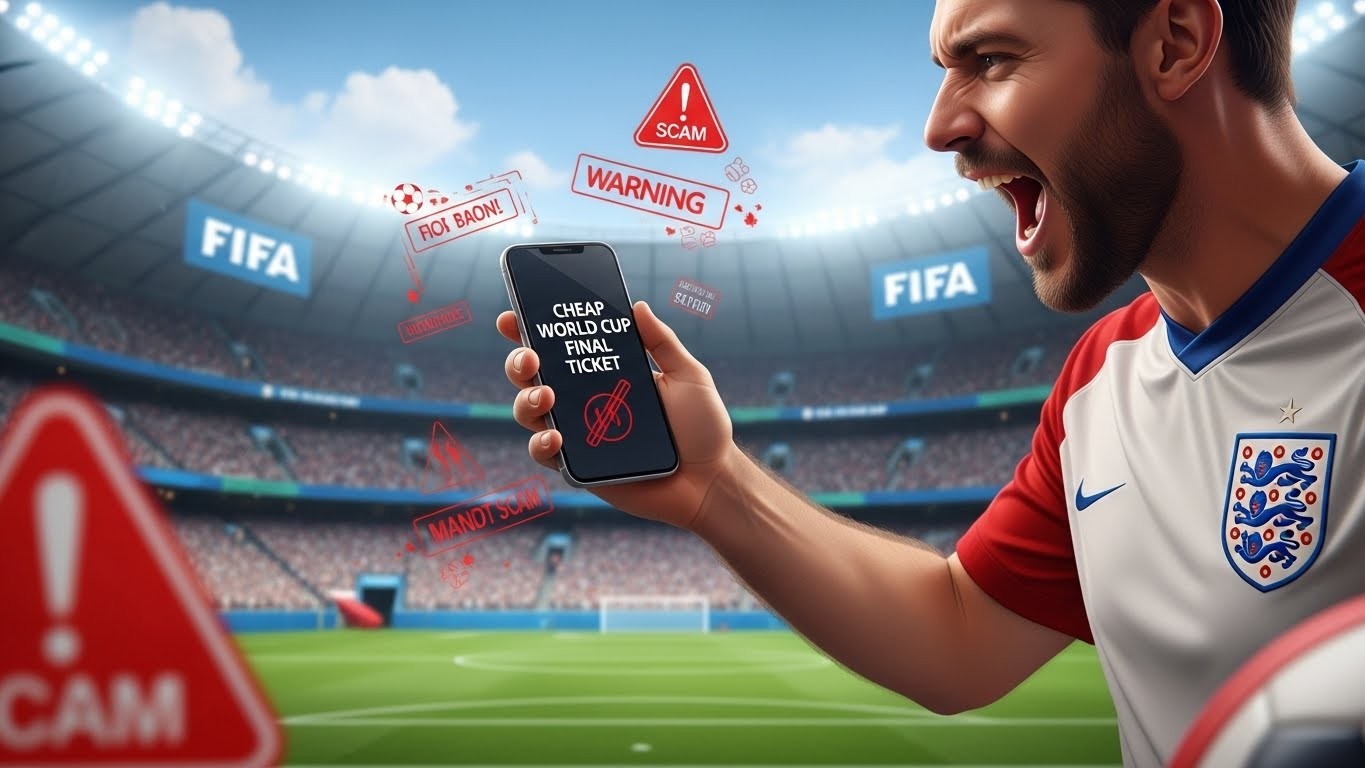
As excitement builds for the 2026 FIFA World Cup, scammers are preying on desperate fans seeking tickets to the tournament. With demand far outstripping supply, fraudsters are using fake websites, phishing emails, and social media scams to steal money and personal data. Here's how to protect yourself and spot red flags before it's too late.
How Scammers Are Targeting Fans
Scammers know that tickets are hard to come by, especially for high-demand matches. They create convincing fake ticket sites that mimic official FIFA platforms, offering "guaranteed" tickets at inflated prices. Once a fan pays, the scammer disappears with the money. Some scammers also use phishing emails claiming to be from FIFA or official ticketing partners, asking for personal information or payment details.
Social media is another hotbed for scams, with fake accounts selling non-existent VIP packages or hospitality tickets. Victims often realize they've been cheated only when they arrive at the stadium and their tickets are invalid.

Common Red Flags to Watch For
- Unrealistic Prices: If a deal seems too good to be true, it probably is. Official tickets are sold at face value via FIFA's lottery system.
- Pressure to Act Fast: Scammers create urgency to prevent you from thinking twice. Legitimate sales don't demand immediate payment.
- Unsecure Payment Methods: Be wary of requests for wire transfers, gift cards, or cryptocurrency. Official methods use credit cards with buyer protection.
- Poor Website Design: Grammar errors, missing contact info, and lack of HTTPS encryption are warning signs.
Real-World Examples of Tickets Scams
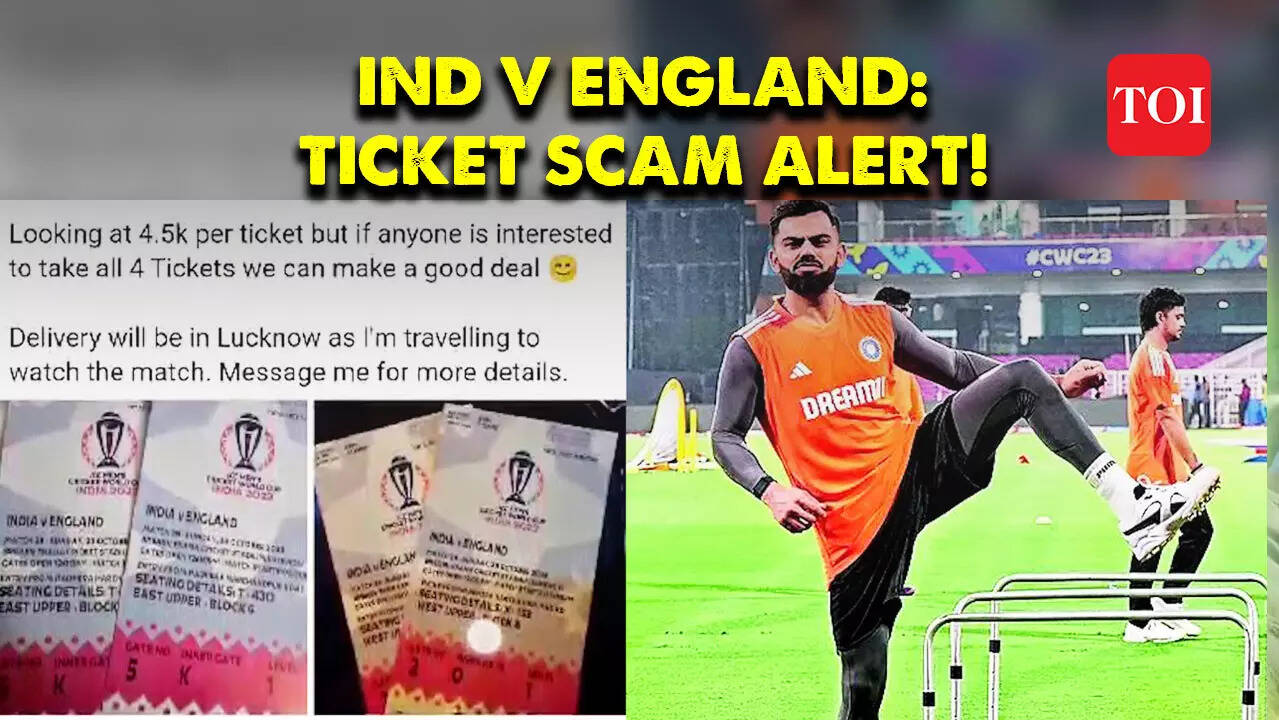
In the lead-up to the 2026 World Cup, authorities have already shut down dozens of fake ticketing sites. One scheme involved a network of fake social media profiles offering "exclusive" tickets to the opening match. Victims lost thousands of dollars. Another scam used phishing emails that looked identical to official FIFA communications, stealing login credentials and credit card numbers.
How to Stay Safe
To avoid being scammed, only buy tickets from FIFA's official ticketing platform or authorized resellers. Never share personal information or payment details with unverified sources. Use strong, unique passwords for your accounts and enable two-factor authentication if available.
If you believe you've been targeted, report the scam to local law enforcement and FIFA's anti-fraud team immediately. Quick action can help prevent further damage and assist in shutting down fraudulent operations.
Tips for Safe Ticket Buying
- Verify the website's authenticity by checking the official FIFA URL.
- Never click on links in unsolicited emails or messages.
- Use a credit card for purchases, as it offers better fraud protection.
- Check for reviews or reports of scams from other fans.
Remember, a great World Cup experience starts with securing legitimate tickets. Don't let a scam ruin your dream of seeing the action live. Stay informed, stay cautious, and enjoy the tournament responsibly.
For more on World Cup excitement, check out this story: South Korea howler gifts Mexico victory as World Cup co-hosts reach knockout phase

