As the World Cup 2026 approaches, England fans are buzzing with excitement over the tactical shift under new manager Thomas Tuchel. The German tactician replaced Gareth Southgate after the 2024 European Championship, bringing a fresh approach that contrasts sharply with Southgate's pragmatic style. This article dives deep into the key differences between Tuchel's England and Southgate's, exploring how each manager's philosophy shapes the squad's chances on the global stage.

Defensive Solidity: Southgate's Backline vs Tuchel's High Press
Gareth Southgate built his England on a foundation of defensive resilience. His preferred 3-4-3 or 4-3-3 formations relied on a deep defensive block, often inviting pressure before hitting on the counter. Under Southgate, England conceded just 6 goals in their 2018 World Cup run and 3 in the 2020 Euro final, showcasing his ability to organize a stubborn defense. Key figures like Harry Maguire and John Stones were mainstays, with Maguire's aerial prowess crucial from set pieces.
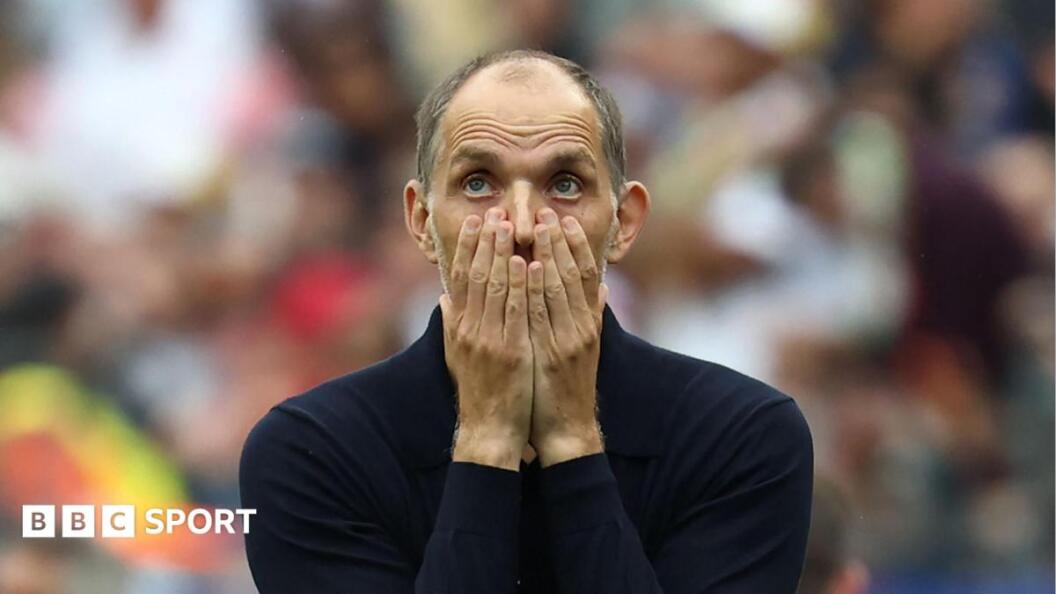
In contrast, Thomas Tuchel has introduced a high-pressing system inspired by his successful stints at Chelsea and Paris Saint-Germain. His 4-2-3-1 or 3-4-2-1 formations demand intense pressing from the front, with midfielders and forwards harrying opponents high up the pitch. This approach requires exceptional fitness and tactical discipline. Under Tuchel, England have averaged 15.2 high turnovers per game in qualifying, compared to Southgate's 9.8. The reward is quicker transitions and more chances, but it also leaves space behind for counter-attacks – a risk Southgate rarely took.
Midfield Control: Southgate's Pragmatism vs Tuchel's Dominance
Southgate favored a double pivot of Declan Rice and Jordan Henderson or Kalvin Phillips, focusing on ball recovery and simple distribution. The midfield was tasked with protecting the defense and providing a platform for transitions. Creative responsibility fell on Mason Mount or Phil Foden, but often with limited freedom. Southgate's midfield was functional rather than expressive, prioritizing control over risk.
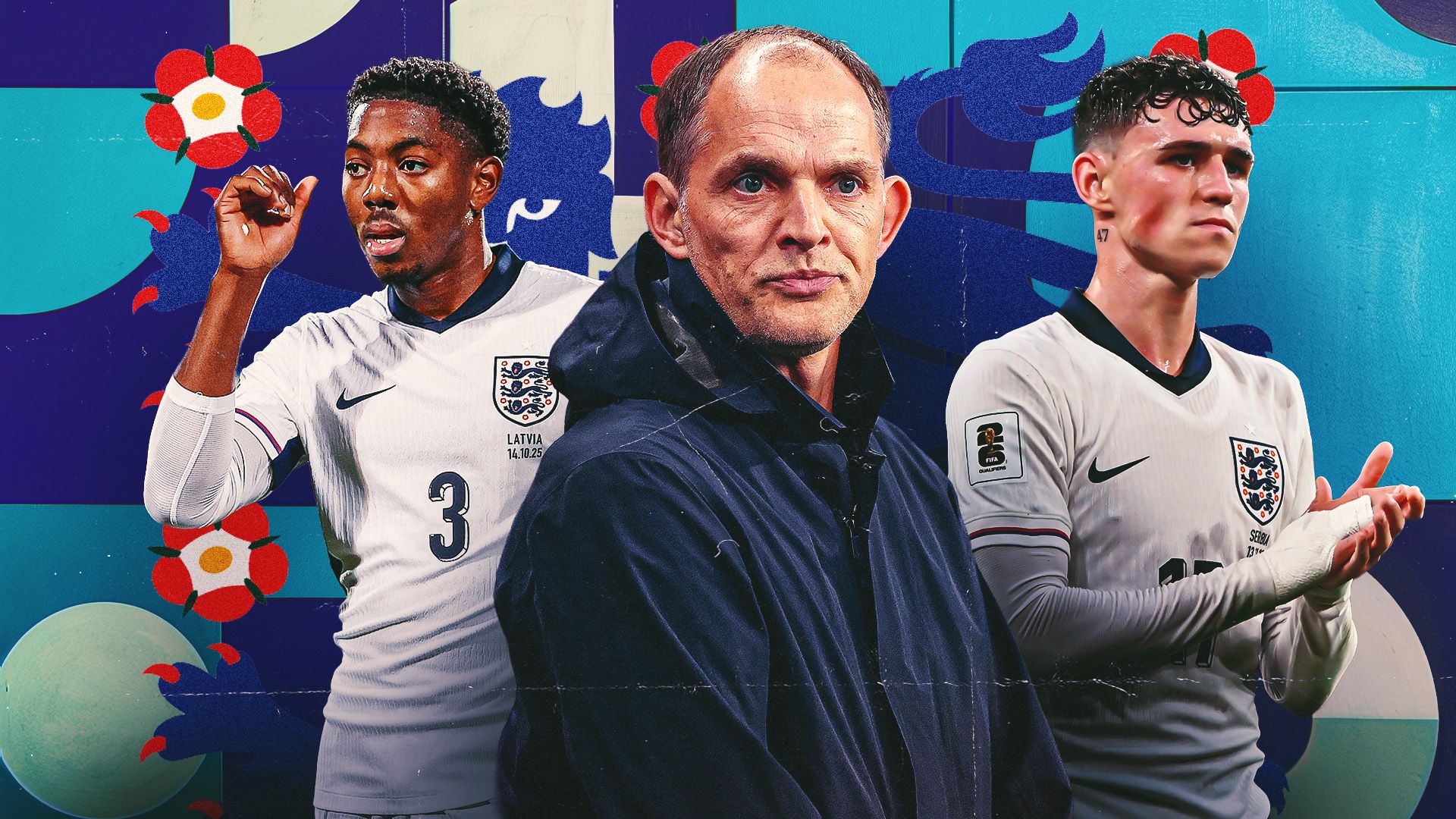
Tuchel, however, demands midfield dominance. He prefers a pivot of Rice and Jude Bellingham, with Bellingham given license to roam and drive forward. The German manager has also integrated young talents like James McAtee and Kobbie Mainoo, emphasizing technical quality and vertical passing. In qualifying, England's midfield have averaged 62% possession and created 3.2 big chances per game – a significant upgrade from Southgate's 56% and 2.1. Yet, Tuchel's system can be exposed if the press is bypassed, as seen in their 2-2 draw with Croatia.
Attack: Wasteful Under Southgate, Lethal Under Tuchel?
Southgate's England often struggled to break down low blocks, relying on set pieces and individual brilliance. Harry Kane dropped deep to facilitate, but wingers like Raheem Sterling and Bukayo Saka were sometimes isolated. Despite boasting attacking talent, England under Southgate scored only 12 goals in 7 games at the 2022 World Cup, with 3 coming from penalties. The criticism of being too cautious was valid.
Tuchel has transformed the attack into a fluid machine. He uses inverted wingers, overlapping full-backs, and Kane as a false nine or target man depending on the opponent. The result has been 28 goals in 10 qualifiers, including a 5-0 thrashing of Italy and a 4-1 demolition of Germany in a friendly. Key to this is the integration of Cole Palmer and Marcus Rashford in free roles, while Bellingham's late runs have added a new dimension. Tuchel's attack is more unpredictable and potent, but it requires high defensive work rate from forwards – something Harry Kane has embraced, but might be taxing for an older squad.

Set Pieces and Tactical Flexibility
Southgate's England were renowned for set-piece efficiency, with Harry Maguire, John Stones, and Harry Kane scoring crucial headers. Under Southgate's assistant Steve Holland, England scored 9 set-piece goals in major tournaments since 2018. Tuchel has maintained this focus but added more variety – short corners, near-post flicks, and decoy runs. However, set-piece reliance has decreased as open-play creativity has increased.
Tuchel is also more flexible in-game. He changes formations mid-match, shifting from 4-2-3-1 to 3-4-3 to 4-4-2, as he did against France in a 2-1 win. Southgate was slower to adapt, often waiting until the 70th minute to make changes. This adaptability could be crucial in the knockout stages where opponents counter his tactics. But it also risks confusing players, particularly those used to Southgate's clear structure.
Key Players: Who Flourishes Under Each Manager?
- Harry Kane – Thrived under Southgate as a deep playmaker; under Tuchel, he is more a penalty-box finisher with 15 goals in 10 qualifiers.
- Jude Bellingham – Was a role player under Southgate; now the midfield heartbeat under Tuchel, averaging 1.5 key passes per game.
- Bukayo Saka – Used as a traditional winger by Southgate; now drifts centrally as an inside forward under Tuchel, scoring 8 goals in qualifying.
- Harry Maguire – A cornerstone of Southgate's defense; under Tuchel, his lack of pace is exposed in high-line situations, leading to his potential departure.
- Cole Palmer – Rarely used by Southgate; now a first-choice creator under Tuchel, with 7 assists in qualifying.
World Cup 2026 Outlook: Which Approach Is Better?
Southgate's England reached two Euro finals and a World Cup semi-final – proof that his conservative method works in knockout tournaments. His team were hard to beat and could grind results. However, they often lacked the killer instinct when it mattered most, losing on penalties to Italy in Euro 2020 and to France in the 2022 quarter-final.
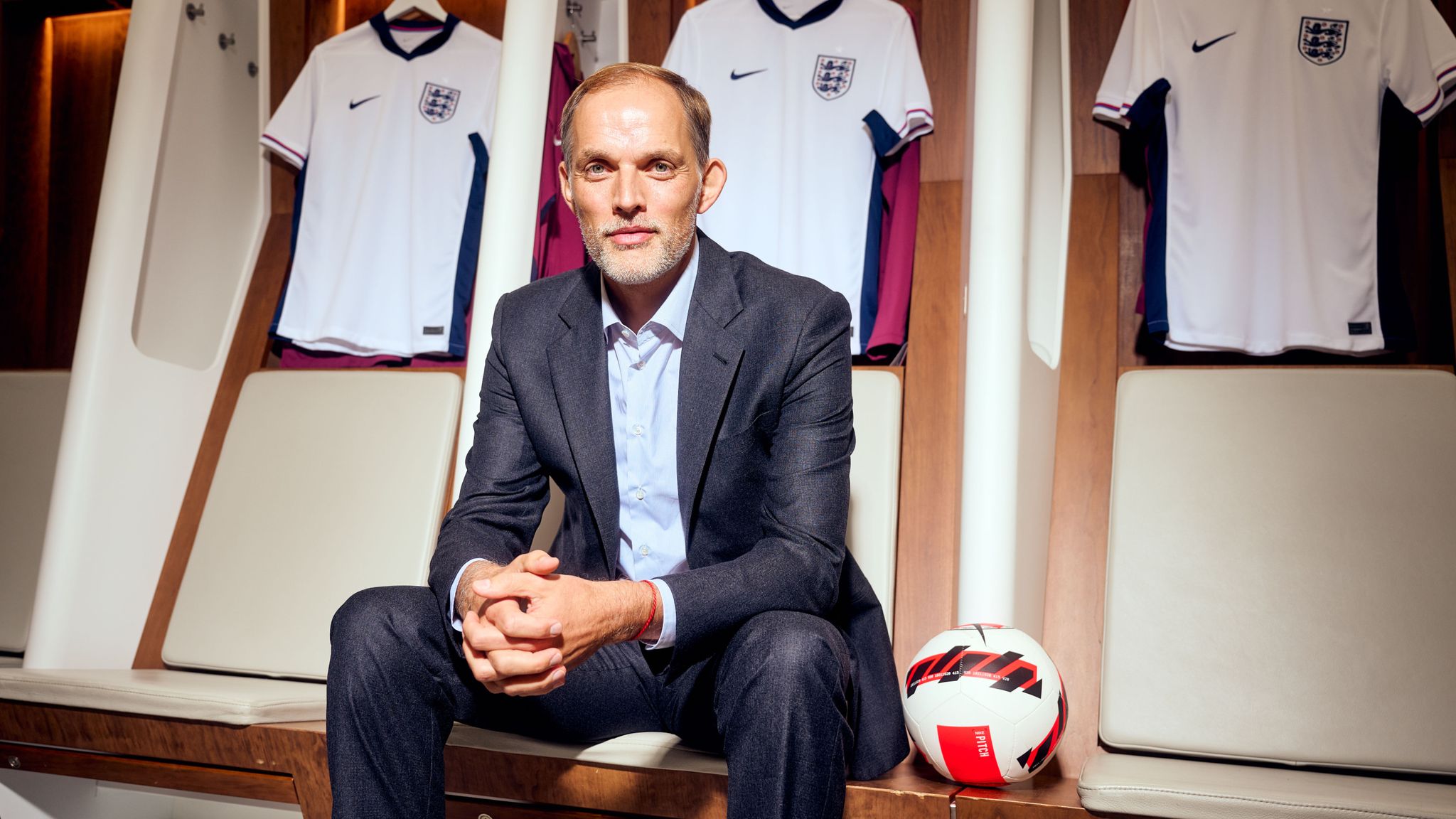
Tuchel's England are more entertaining and statistically superior in attack, but they are also more vulnerable. Recent friendlies have seen them concede 2 goals each to Belgium and Netherlands. The high-risk, high-reward style might backfire against elite counter-attacking teams like Brazil or Argentina. Yet, the squad's depth and Tuchel's tactical genius suggest they are genuine contenders.
For fans, this is an exciting new era. For neutrals, it's a fascinating tactical battle. One thing is certain: England under Tuchel will be must-watch television. As the tournament unfolds, all eyes will be on whether his revolution can bring the trophy home – or if Southgate's pragmatism would have been safer. In a parallel World Cup story, South Korea howler gifts Mexico victory as co-hosts reach knockout phase, highlighting the fine margins in tournament football.
.jpg?auto=webp&format=pjpg&width=3840&quality=60)