Have you ever wondered why Americans call the world's most popular sport "soccer" instead of "football"? The answer lies in the sport's English roots and linguistic evolution. According to CBS Sports, the term "soccer" actually originated in England in the late 19th century as a slang abbreviation for "Association Football."
Why Americans Use "Soccer" Instead of Football: A Linguistic History
The word "soccer" emerged from the British upper class tradition of adding "-er" to abbreviations. In 1863, the Football Association (FA) was formed in England to codify the rules of what became association football. Students at Oxford University shortened "Association Football" to "Assoccer," which later became "soccer." Meanwhile, "rugby football" was shortened to "rugger." Both terms were common in England until the mid-20th century.
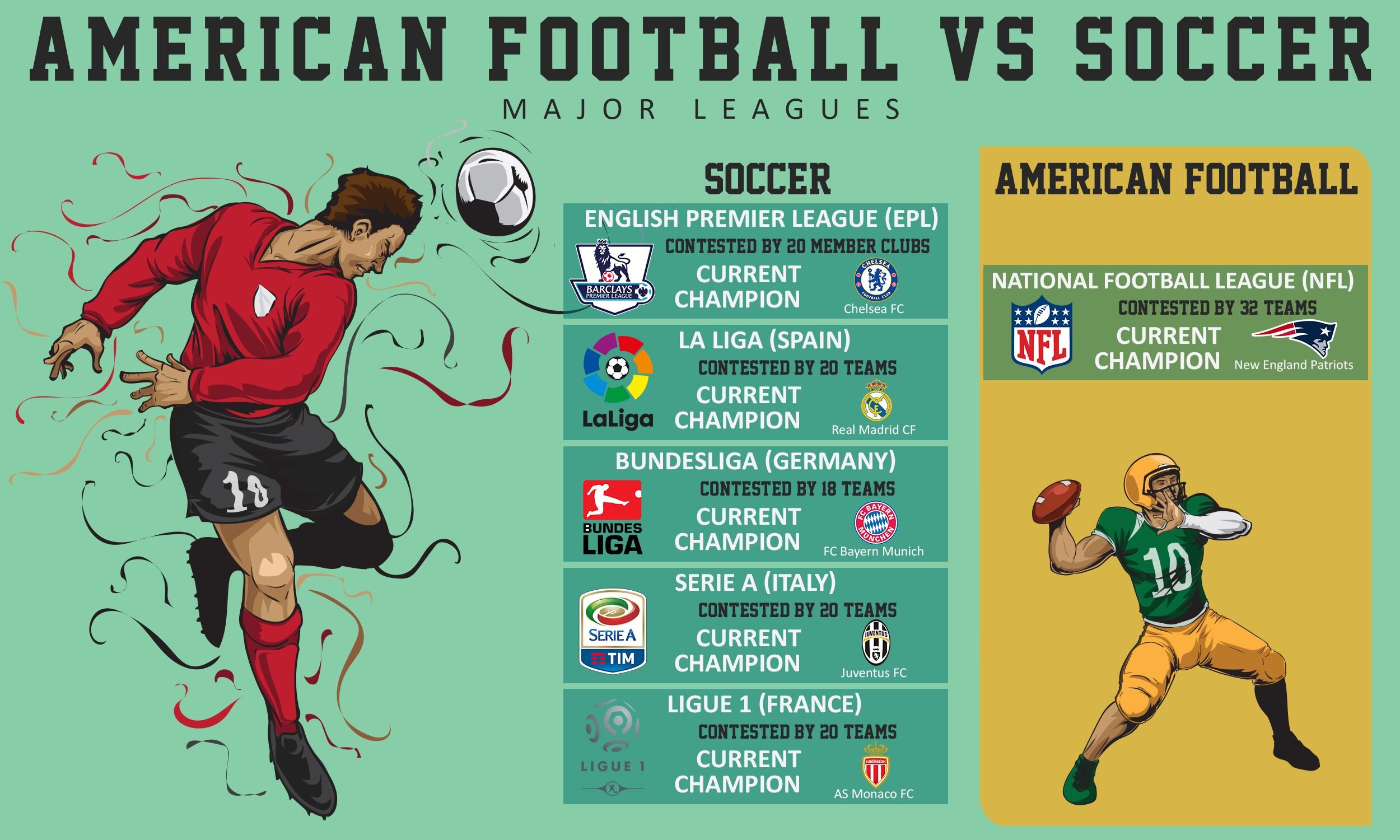
When the sport crossed the Atlantic, Americans adopted "soccer" to distinguish it from American football, which had already claimed the name "football" in the United States. As other football codes like gridiron football grew in popularity, "soccer" stuck as the default term in the U.S. while Britain eventually phased it out in favor of "football."

The Historical Context Behind the American Word for the World's Game
Why does America call it soccer and not football? This question reflects a broader linguistic divergence that began in the 19th century. The term "soccer" was commonplace in England until the 1970s, when British media and fans increasingly adopted "football" to align with the international standard. In the U.S., however, "soccer" remained entrenched because "football" already referred to a different sport. Today, the American usage of "soccer" is actually a preservation of a British slang term that fell out of favor in its home country. Understanding this history helps explain why Americans and Brits use different words for the same beautiful game.

What This Means for Football Fans Worldwide
The distinction between "soccer" and "football" is more than just semantics—it reflects cultural and historical ties. For English speakers, the term "soccer" is a reminder of the sport's origins in England and the evolution of language across continents. While the world largely uses "football," the American term "soccer" is a unique linguistic relic that tells the story of how the sport spread globally.

What's Next?
The debate over the name may never be settled, but one thing is certain: the sport itself continues to unite billions. As the 2026 World Cup approaches, co-hosted by the U.S., Mexico, and Canada, the term "soccer" will once again be in the global spotlight. For more on international football terminology and related stories, check out South Korea howler gifts Mexico victory as World Cup co-hosts reach knockout phase.
