Ever wondered why Americans call the world's most popular sport "soccer" while the rest of the globe calls it "football"? The answer lies in the very country that gave birth to the modern game: England. This deep dive explores the historical origins of the term "soccer" and its enduring use in the United States, revealing a linguistic twist that has sparked debate for over a century.
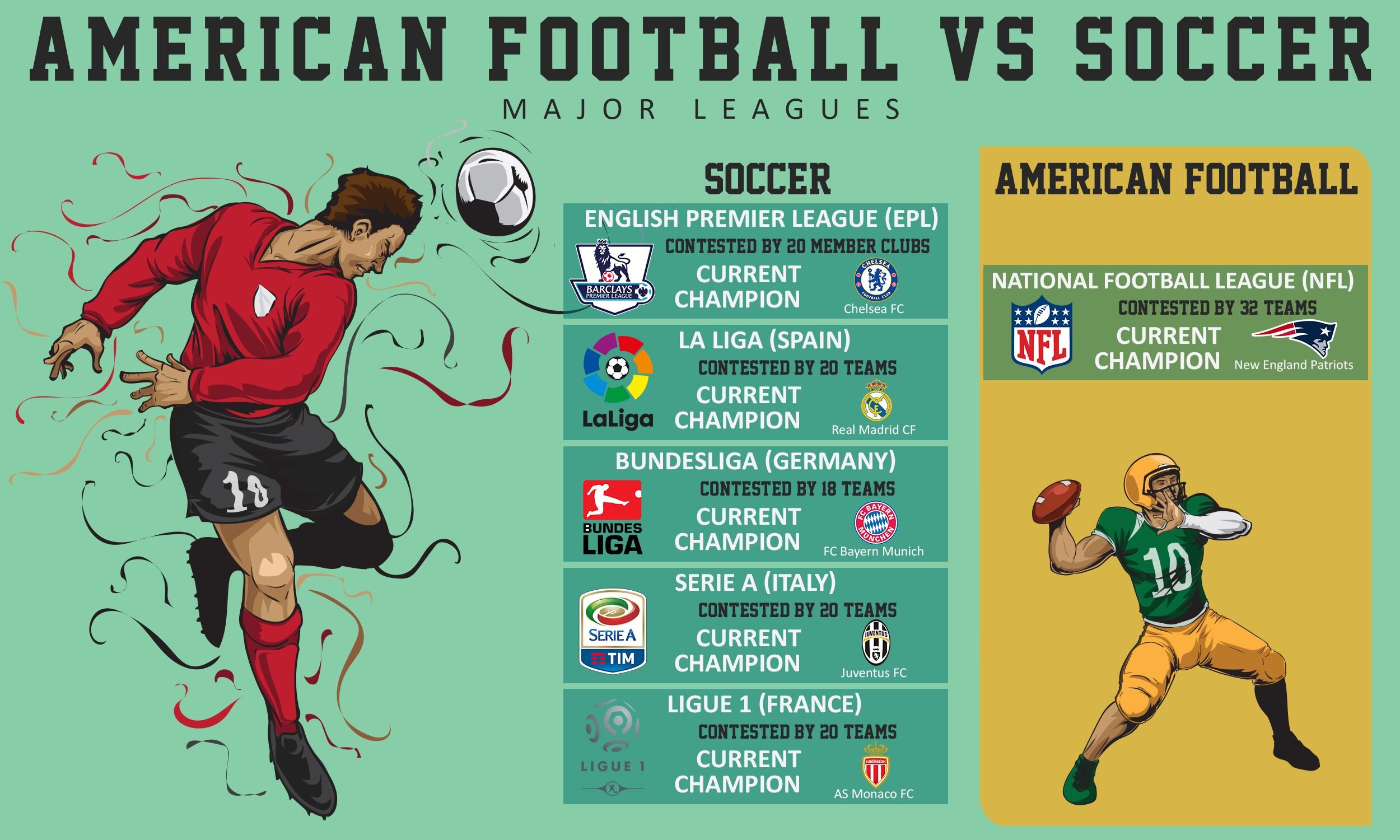
The Birth of "Soccer" in England
In late 19th-century England, organized football split into two distinct codes: association football (played with a round ball and no handling) and rugby football (played with an oval ball and hands allowed). To distinguish them, university students and upper-class players coined slang terms: "assoccer" (a shortened version of association) and "rugger" (for rugby). "Assoccer" was soon clipped to "soccer" — a uniquely British invention that stuck for decades.
By the early 20th century, "soccer" and "football" were used interchangeably in the UK. However, as the sport's popularity soared globally, British expats and international tournaments favored the term "football." Meanwhile, America had already developed its own version of gridiron football, and to avoid confusion, they adopted "soccer" for the association code. The tipping point came after World War II, when U.S. media and governing bodies standardized "soccer" to distinguish it perfectly from American football.

Why Americans Never Let Go of "Soccer"
Unlike other English-speaking countries that shifted exclusively to "football," the United States maintained "soccer" for several reasons. First, the presence of American football — a massively popular sport with its own distinct rules — made "football" ambiguous. Second, during the 20th century, soccer in the U.S. grew in waves, often supported by immigrant communities who used the term "soccer" to align with the local nomenclature. The creation of the North American Soccer League (NASL) in the 1960s and later Major League Soccer (MLS) cemented "soccer" in official league names and media coverage.
Interestingly, while the word "soccer" has become almost taboo in some football-loving nations, Americans have embraced it as a badge of distinction. In fact, U.S. Soccer — the governing body — proudly uses the term, and even the men's and women's national teams are referred to as the U.S. Men's Soccer Team and U.S. Women's Soccer Team.

The Global Reach of "Soccer"
Although "soccer" fell out of favor in Britain by the 1970s, it is still used in several countries. Australia, Canada, New Zealand, Ireland, and South Africa all use "soccer" alongside "football" to differentiate from their own codes of football. In fact, the International Football Association Board (IFAB) once used "soccer" in official documents. Today, the debate persists, with purists decrying the term while others view it as a harmless linguistic variation.
Linguistic Legacy and Cultural Identity
The split between "soccer" and "football" is not just a difference in vocabulary — it reflects deeper cultural histories. For Americans, the word "soccer" is a practical necessity in a sports landscape dominated by American football. Meanwhile, the rest of the world views "football" as the universal name for the beautiful game. As the global game continues to grow in the U.S., the term "soccer" remains a point of quirky pride, connecting modern American fans to a tradition that began on the playing fields of England more than 150 years ago.
While the 2026 World Cup co-hosts South Korea howler gifts Mexico victory as World Cup co-hosts reach knockout phase - The Guardian, the linguistic debate over what to call the sport rages on — a testament to the game's power to unite and divide in equal measure.
In Summary
- The term "soccer" originated in 19th-century England as a slang abbreviation of "association football."
- Americans adopted "soccer" to distinguish it from American football, which had also evolved from rugby.
- While Britain gradually dropped "soccer" in favor of "football," the U.S. retained the term due to the popularity of gridiron football.
- Today, "soccer" is the official term used by U.S. Soccer and MLS, and it is also employed in other nations with multiple football codes.

So, next time you hear an American say "soccer," remember: they are actually preserving a piece of English linguistic history. Far from being a misnomer, it's a relic from the very country that invented the sport — a word that, like the game itself, has traveled the world and adapted to new cultures.