Determining the best male soccer player in the world is a debate that rages among fans, pundits, and players alike. Just like in boxing, where a champion is crowned with a championship belt, soccer has its own throne that shifts from year to year based on performances in club football, international tournaments, and individual accolades. This article takes a deep dive into the year-by-year evolution of the 'Championship Belt' in men's soccer, examining who held the crown and why.
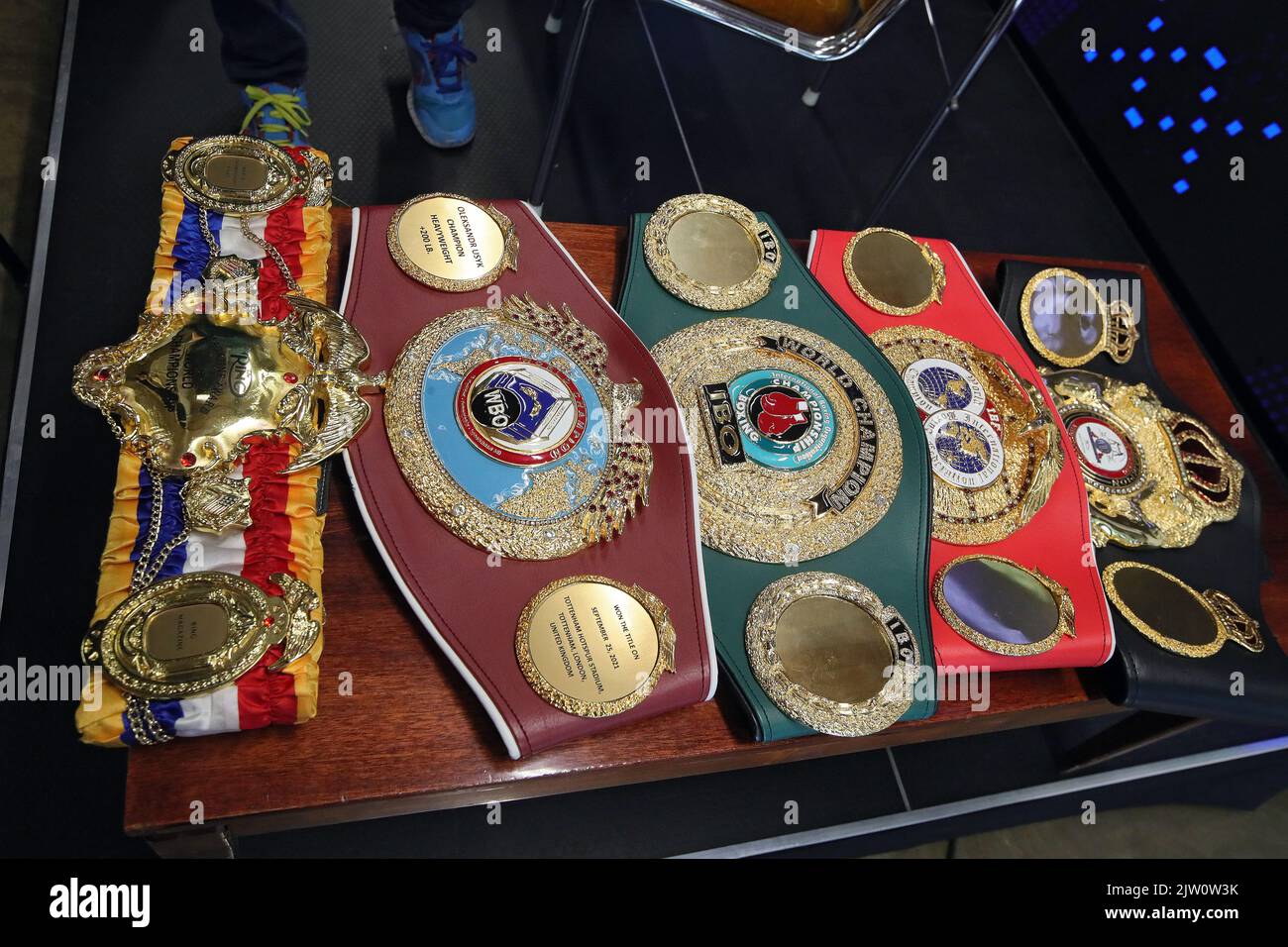
Understanding the Concept of the Soccer Championship Belt
The idea of a 'Championship Belt' in soccer is borrowed from combat sports, where a linear champion is recognized as the best in the world. In soccer, this isn't an official title but a symbolic recognition of the player who has dominated the sport in a given period. Factors include winning the Ballon d'Or, FIFA Best awards, Champions League triumphs, World Cup success, and consistent elite performances. The belt passes from one player to another when a new candidate outperforms the previous holder.
Year-by-Year Breakdown: Who Wore the Belt?
To trace the lineage, we look at key years where the best player was unequivocal. For instance, in the 2010s, Lionel Messi and Cristiano Ronaldo shared a decade-long duopoly. However, the belt has changed hands in recent years. Let's examine the champions from 2018 onward:
2018: Luka Modrić
After leading Real Madrid to a third consecutive Champions League title and Croatia to the World Cup final, Modrić broke the Messi-Ronaldo dominance by winning the Ballon d'Or. His midfield mastery and leadership earned him the belt.
2019: Lionel Messi
Messi reclaimed the throne with a stunning season for Barcelona, winning La Liga and the Ballon d'Or. His 36 league goals and creative brilliance were unmatched.
2020: Robert Lewandowski
The pandemic-shortened season saw Lewandowski's Bayern Munich win the treble (Bundesliga, DFB-Pokal, Champions League). He scored 55 goals in all competitions and was universally recognized as the best, though the Ballon d'Or was canceled.
2021: Robert Lewandowski (2nd reign)
Lewandowski continued his dominance, breaking Gerd Müller's single-season Bundesliga goal record (41 goals). He won the Best FIFA Men's Player award and a delayed Ballon d'Or recognition for 2020.
2022: Karim Benzema
Benzema's vintage season for Real Madrid included winning La Liga and the Champions League, where he scored crucial goals. His Ballon d'Or victory cemented his legacy as the best player that year.
2023: Erling Haaland
Haaland's record-breaking debut season at Manchester City saw him score 52 goals in all competitions, winning the treble (Premier League, FA Cup, Champions League). He claimed the Golden Boot in all three competitions and finished second in Ballon d'Or voting to Messi, but many argued his impact was the greatest that year.
2024: Lionel Messi (3rd reign?)
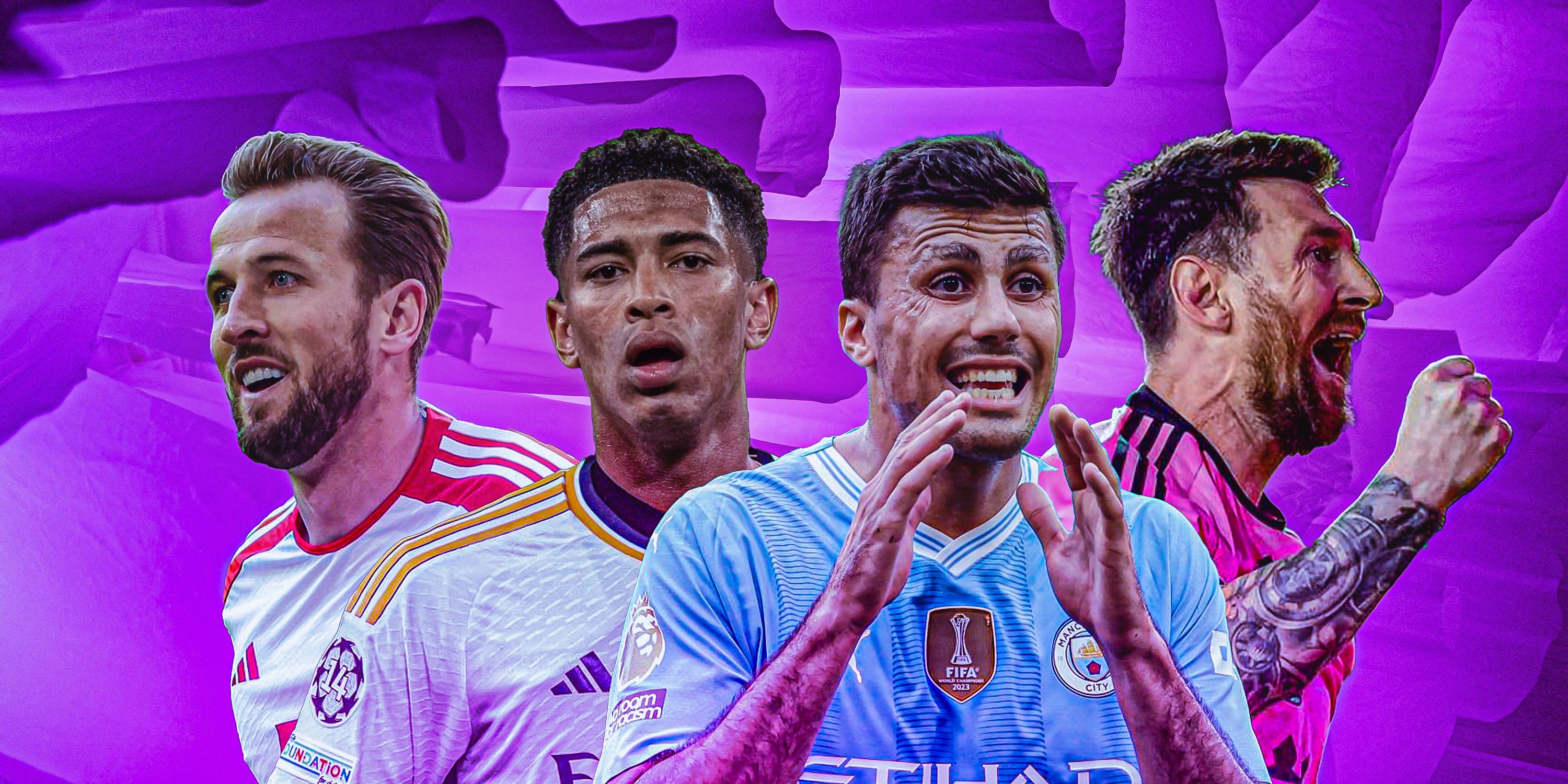
After leading Argentina to the World Cup in 2022, Messi's 2023 Ballon d'Or victory extended his legacy. However, some argue that young talents like Jude Bellingham or Erling Haaland may have taken the belt in 2024.
The Role of Major Tournaments in Shaping the Belt
The Champions League remains the most prestigious club competition, often deciding the belt. Winners of the UCL are strong candidates, as seen with Modrić (2018), Lewandowski (2020), Benzema (2022), and Haaland (2023). International tournaments like the World Cup also play a pivotal role. Messi's 2022 World Cup win solidified his claim as the greatest, but for the year 2023, club performances were weighted more heavily.
Debating the Current Champion
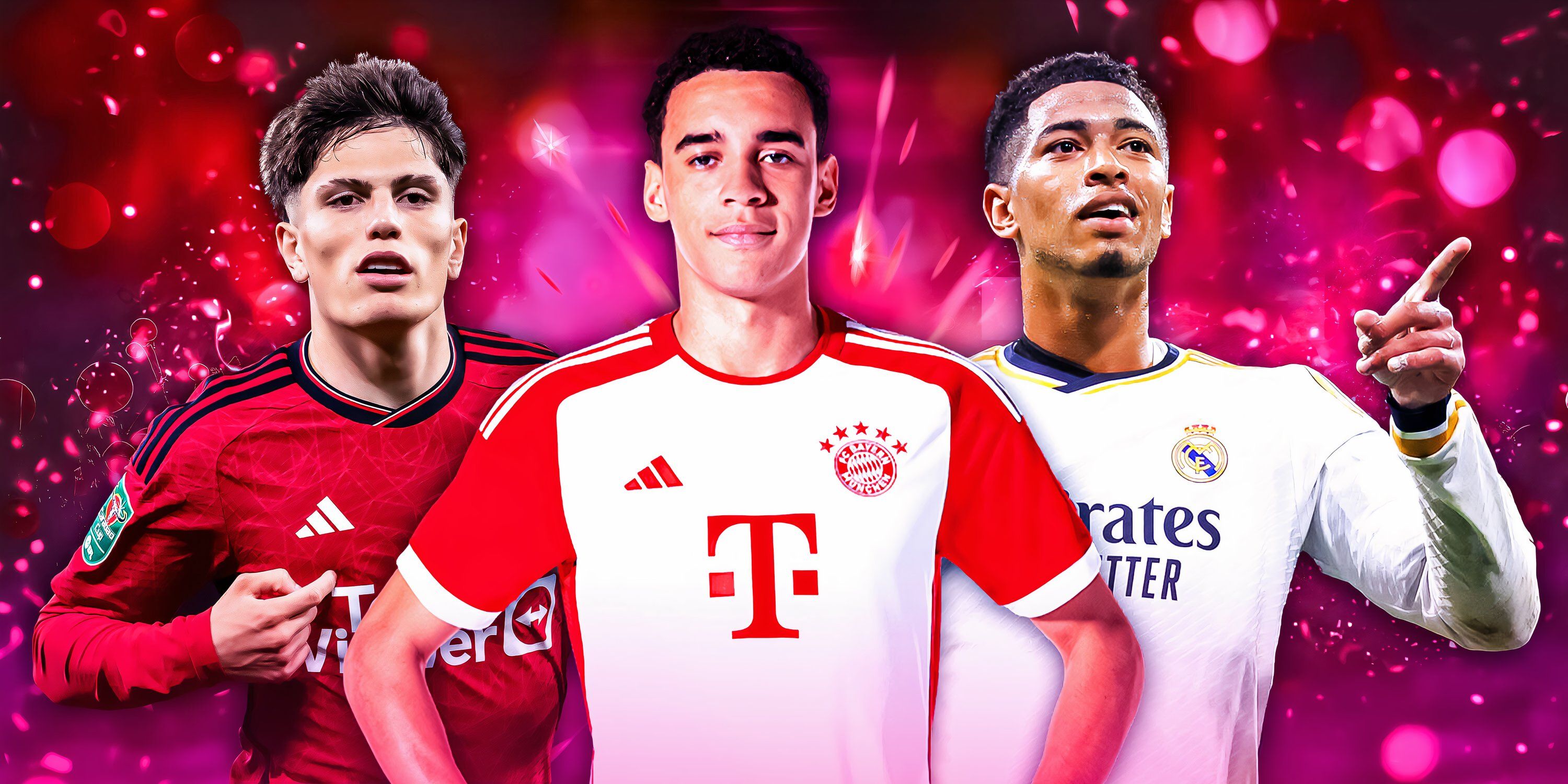
As of mid-2024, the belt is hotly contested. Jude Bellingham's phenomenal first season at Real Madrid (winning La Liga and Champions League) draws comparisons to past greats. Meanwhile, Kylian Mbappé's consistency at PSG and his World Cup final performance keep him in the conversation. However, many still consider Messi the world's best based on his magical moments and recent World Cup glory.
Historical Lineage: From Pele to Messi
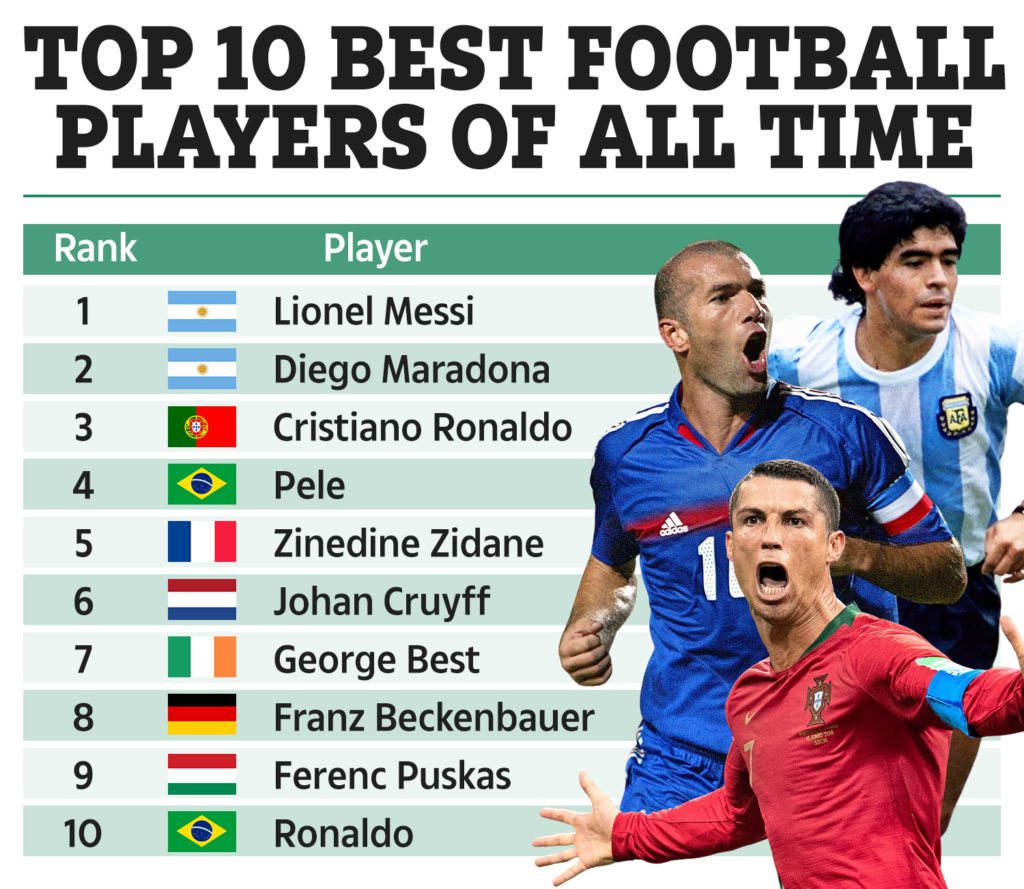
Looking further back, the belt has been held by legends like Pelé, Diego Maradona, Zinedine Zidane, and Ronaldinho. Each era had its defining player. For instance, between 2008 and 2017, Messi and Ronaldo shared the belt, with Messi winning five Ballons d'Or and Ronaldo four. The belt passed in 2018 to Modrić, marking a shift away from the duopoly.
Conclusion: The Ever-Shifting Throne
The 'Best Male Soccer Player in the World' is a subjective title, but a year-by-year analysis of the championship belt provides a clear narrative of dominance. From Messi's legendary runs to Lewandowski's clinical finishing and Haaland's physical prowess, the belt reflects the sport's evolution. As the 2024 season unfolds, keep an eye on the Champions League and Copa America to see who next claims the crown.
For more on how international tournaments shape soccer legends, check out our analysis of a recent World Cup thriller: South Korea howler gifts Mexico victory as World Cup co-hosts reach knockout phase - The Guardian.