VAR (Video Assistant Referee) has been a hot topic in football, with debates intensifying during the World Cup. Fans and pundits often question whether the technology is being used differently in the World Cup compared to the Premier League. This article explores the key differences and similarities in VAR application between the two competitions.
Understanding VAR Protocols
VAR is implemented under the same IFAB (International Football Association Board) protocols globally, but its application can vary based on the competition's guidelines and the referees' interpretations. At the World Cup, FIFA has emphasized transparency and minimal interference, while the Premier League has faced criticism for inconsistent and lengthy reviews.
Key Differences in VAR Usage
- Threshold for Intervention: In the World Cup, VAR tends to intervene only for clear and obvious errors, often allowing more physical contact. In the Premier League, the bar for intervention is generally lower, leading to more frequent checks for subjective decisions like handball and fouls.
- Pitchside Monitor Usage: World Cup referees frequently use the pitchside monitor for on-field reviews, especially for subjective calls. Premier League referees have historically been less inclined to use the monitor, relying more on the VAR's recommendation.
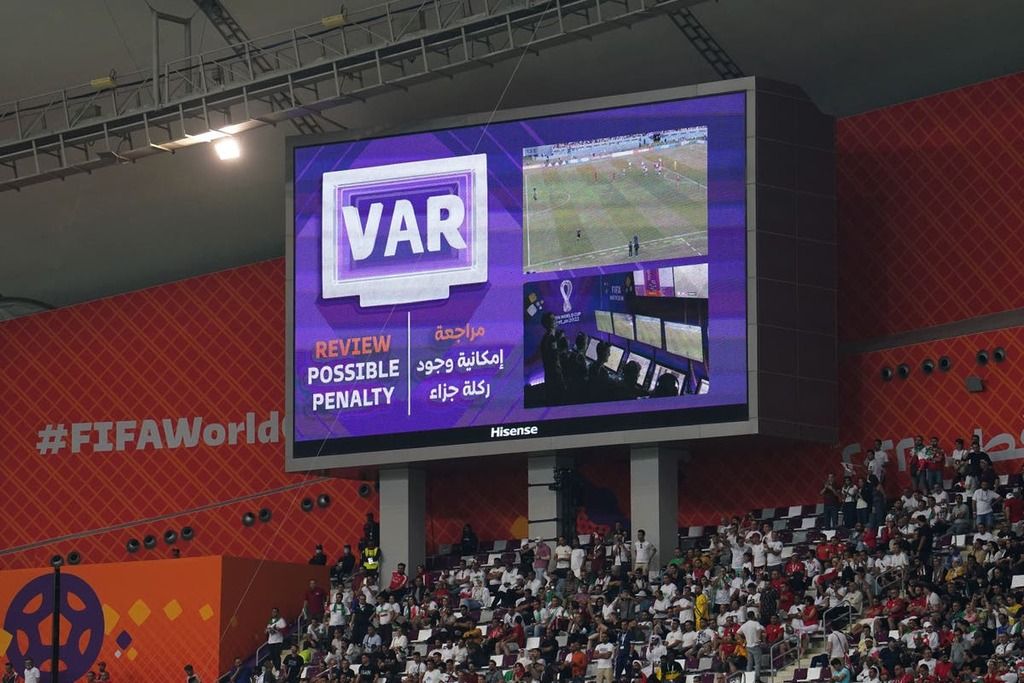
- Communication: World Cup broadcasts often show VAR communications or explain decisions through graphics, enhancing transparency. The Premier League has been slower to adopt such openness, though it has improved in recent seasons.

Case Studies: Controversial Decisions
During the World Cup, a notable incident involved a penalty awarded to Argentina after a VAR review for a foul that many deemed soft. In contrast, a similar incident in the Premier League might not have been given due to a higher threshold. Conversely, the Premier League's VAR has been criticized for disallowing goals for marginal offsides, while the World Cup has adopted a more lenient approach with thicker lines in offside technology.
Impact on Game Flow
- Match Pace: World Cup matches often experience fewer VAR delays, as officials aim to keep the game flowing. Premier League matches have seen longer stoppages for VAR checks, leading to complaints about disrupted rhythm.
- Fan Experience: The World Cup's transparent communication, including in-stadium announcements, improves fan understanding. The Premier League still relies on scoreboard graphics, which can be confusing without audio explanations.
Why the Difference?
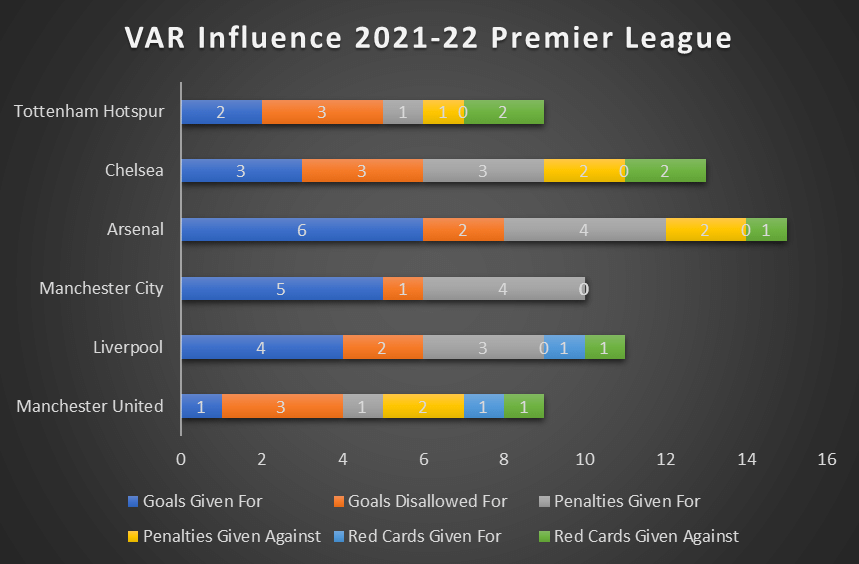
The variations stem from different philosophies: the World Cup, overseen by FIFA, prioritizes a consistent global standard and referee empowerment. The Premier League, as a domestic competition, has its own VAR protocols developed by PGMOL (Professional Game Match Officials Limited), which have evolved after feedback from clubs and managers. Additionally, the World Cup's limited timeframe allows for more controlled implementation, while the Premier League's continuous season requires adapting to ongoing criticism and pressures.
For another example of how refereeing decisions can impact big games, see the dramatic incident in the World Cup match where a South Korea howler gifted Mexico victory as co-hosts reached the knockout phase.

Conclusion
While VAR follows the same fundamental rules worldwide, its application at the World Cup and Premier League differs in threshold, transparency, and referee involvement. These differences highlight the ongoing challenge of balancing technology's accuracy with the game's natural flow. As both competitions continue to refine their protocols, fans hope for more consistency and fewer controversies in the future.