UEFA has announced a comprehensive plan to introduce official hydration breaks during Champions League matches and the Euro 2028 tournament, aiming to protect player health in increasingly hot conditions. The move comes after successful trials in recent competitions and growing concerns over heat-related illnesses in football. The new policy will allow for cooling breaks at specific intervals, ensuring player welfare remains a top priority.
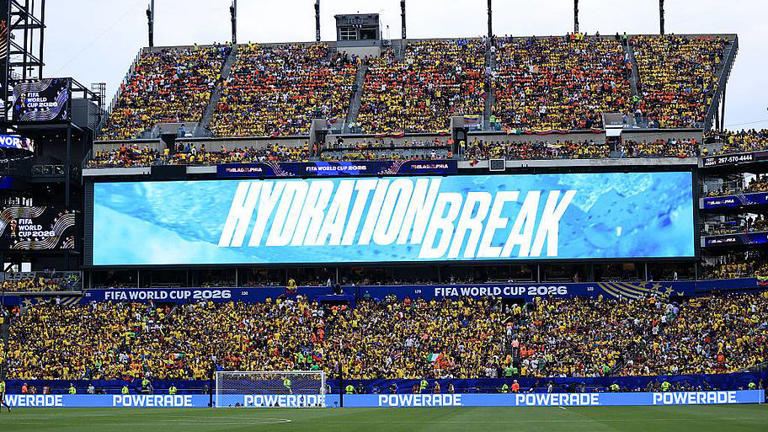
Why Hydration Breaks Are Now Essential
With climate change leading to more frequent heatwaves, footballers are at greater risk of dehydration and heat stroke. UEFA's research indicates that core body temperatures can exceed safe limits during high-intensity play in temperatures above 30°C. Hydration breaks, similar to those seen in other sports like tennis and American football, will allow players to rehydrate and cool down, reducing the risk of health incidents. The plan aligns with FIFA's existing protocols for tournaments in hot climates, such as the 2022 World Cup in Qatar.
How the Breaks Will Work in Practice
- Timing: Breaks will be scheduled around the 30th minute of each half, unless the match is played in a climate-controlled stadium.
- Duration: Each break will last up to three minutes, with officials signaling a stop in play.
- Location: Players will be allowed to gather at the sidelines for drinks and cooling towels.
- Competitions: Initially applied to the Champions League knockout phases and Euro 2028, but could extend to all UEFA competitions.
Notably, UEFA is also exploring the use of pitch-side cooling stations and mandatory pre-match hydration monitoring. The South Korea howler gifts Mexico victory as World Cup co-hosts reach knockout phase - The Guardian incident highlighted how extreme heat can affect performance, making these measures timely.
Reactions from Players and Coaches
The proposal has received widespread support from players' unions and medical experts. Many top players have advocated for mandatory breaks, citing personal experiences with heat exhaustion. Coaches are also adapting, integrating hydration strategies into training. However, some traditionalists argue that breaks disrupt the flow of the game. UEFA has countered by emphasizing that player safety must come first, and the breaks will be minimal impact.
Implementation Timeline and Testing
UEFA plans to test the hydration break system during the 2025 Champions League group stage, with full implementation by the 2026 season. The Euro 2028 tournament, hosted by the UK and Ireland, will be the first major international competition to feature the breaks. The governing body is also developing guidelines for extreme weather events, including the possibility of delaying matches if temperatures exceed a certain threshold.

Global Impact and Future Considerations
UEFA's move could set a precedent for other confederations, especially those in warmer climates. The Asian Football Confederation (AFC) and Confederation of African Football (CAF) are reportedly monitoring the initiative. With climate change making heatwaves more common, hydration breaks may become standard across all levels of football. UEFA is also funding research into wearable technology to monitor player vitals in real-time.
For now, the focus remains on the Champions League and Euro 2028. Fans can expect to see officials signaling breaks during key matches, reminding everyone that while entertainment matters, so does the well-being of the athletes. As the beautiful game evolves, these small pauses may become just as iconic as the goals themselves.
