Hydration breaks in football are no longer just about players catching a quick sip of water. They have evolved into a multi-million dollar advertising goldmine, with brands paying top dollar to feature their products during these mandatory pauses. But as the practice grows, so does the criticism from fans who jeer at the commercialization of the beautiful game. Are hydration break ads here to stay, or will the backlash force a change?

What Are Hydration Break Ads?
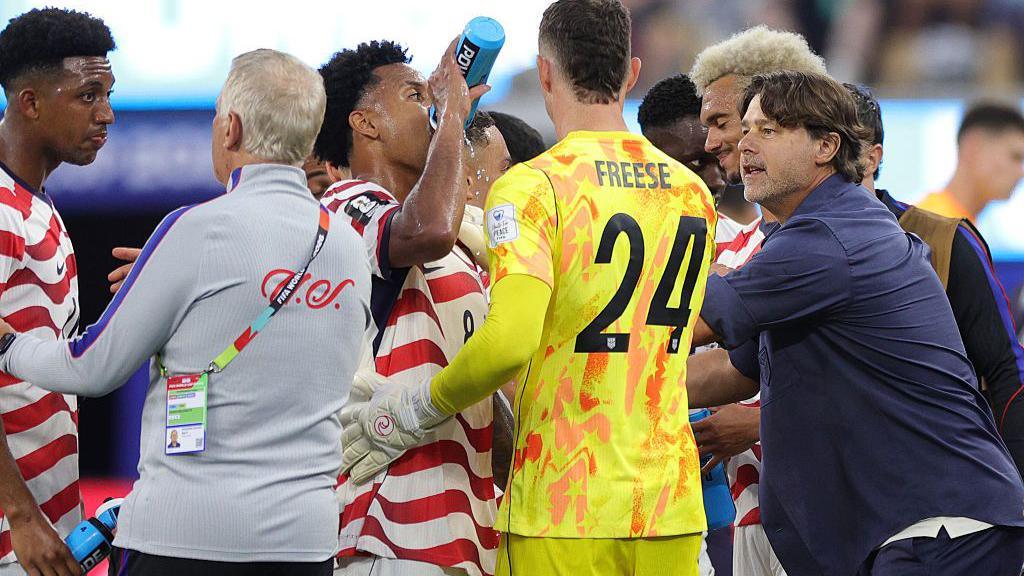
Hydration breaks are typically implemented in hot weather conditions to allow players to rehydrate during a match. They were originally a health measure, but have now become a lucrative advertising opportunity. During these short pauses (usually 1-2 minutes), TV networks air commercial breaks, and stadium boards display sponsor messages. In major tournaments like the World Cup, these slots can cost upwards of $250 million for a package across multiple matches.
The Financial Impact
According to industry reports, revenue from hydration break ads has grown exponentially. The 2022 World Cup saw record spending, and the trend is continuing. For broadcasters, these moments are valuable because they guarantee viewer attention—fans are less likely to change the channel during a short break. For sponsors, it’s an opportunity to reach a massive global audience in a context where positive associations with hydration and performance can enhance brand image.
Why Are Fans Jeering?
Despite the financial benefits, many fans feel that hydration break ads disrupt the flow of the game and commercialize an already expensive sport. Social media is often flooded with complaints during tournaments, with some accusing organizers of prioritizing profit over the fan experience. The jeers are especially loud when breaks are inserted in otherwise seamless matches, or when they seem unnecessary due to mild weather conditions.
Are They Here to Stay?
Given the revenue generated, it is unlikely that hydration break ads will disappear anytime soon. However, they may evolve. Some leagues are experimenting with shorter breaks or integrating sponsor messages more subtly. The key will be balancing commercial interests with fan satisfaction. If the backlash grows too strong, there may be pushback from regulators or fans themselves.
The Broader Context: Commercialization of Football
Football has seen an explosion in commercial partnerships, from shirt sponsors to virtual advertising boards. Hydration breaks are just the latest frontier. For a perspective on how marketing affects the game, consider the controversy surrounding South Korea's blunder that gifted Mexico victory in the World Cup—a moment that underscored how much is at stake both sportingly and financially.
What Do Players Think?
Players generally appreciate the opportunity to rehydrate, especially in hot climates. However, some have voiced concerns that breaks can interrupt momentum or that excessive advertising detracts from the sporting spectacle. The players' union has called for clearer rules on when breaks are mandatory versus optional, to prevent over-commercialization.
Future Outlook
As climate change leads to more extreme temperatures, hydration breaks may become more frequent. That means more advertising opportunities—and more potential for backlash. The industry may need to innovate with less intrusive ad formats, such as digital overlays that appear only on TV broadcasts, or sponsor messages that are integrated into the match presentation without delays.
Conclusion
Hydration break ads represent a significant revenue stream for football’s stakeholders. While they may be jeered by traditionalists, their financial pull makes them a fixture for the foreseeable future. The challenge will be to refine the model so that it respects the sport’s integrity while capturing the commercial opportunities. Only time will tell if the $250 million goldmine becomes a permanent part of the game or a fleeting trend.

In the end, the debate boils down to a simple question: how much commercialization is too much? For now, the answer seems to be “as much as the market will bear.” But as the jeers grow louder, the industry may have to listen.
