La Liga president Javier Tebas responded to Barcelona’s demand for action against Real Madrid president Florentino Perez, defending his stance and addressing the controversial letter.

The exchange highlights the ongoing tension between Spain’s top two clubs, with Barcelona arguing that Perez’s recent comments crossed the line of acceptable rivalry. Barca’s official letter, sent through their legal department, urged La Liga to impose disciplinary measures, citing breaches of league conduct rules and potential damage to the sport’s reputation.
Context of the Dispute
Recent weeks have seen a war of words escalate between the two powerhouses. While Real Madrid’s organization has maintained that its president was exercising his right to free speech in support of his club, Barcelona views the remarks as a patterned assault that undermines fair competition. The letter from Barcelona calls out specific statements made by Perez during a media event, accusing him of "unsportsmanlike conduct" and "undermining the integrity of La Liga."
Barcelona’s Allegations
In the document, Barcelona outlines three primary concerns:
- Perez publicly questioned the officiating standards in matches involving his team, implying bias against Barca.
- He suggested that Barcelona’s financial practices were unfair compared to Real’s investment strategy.
- His comments were perceived as attempting to influence league officials and potentially affect future fixtures.
Florentino Perez’s Position
Perez’s spokesman responded by stating that the president was merely defending his club’s reputation and that any interpretation of his words as a threat to La Liga’s authority was exaggerated. The Real Madrid camp emphasized that they have always respected league regulations and that criticism of refereeing is a routine part of football discourse.
Reaction from Fans and Media
Fans on social media have been bitterly divided. While many Barca supporters rally behind the president’s call for sanctions, a notable segment of Real fans defend Perez’s right to advocate for his club. The Spanish press has also weighed in, with some outlets labeling the dispute as "a spat that benefits nobody," while others argue that clearer guidelines on presidential conduct are needed.
What’s Next for La Liga?
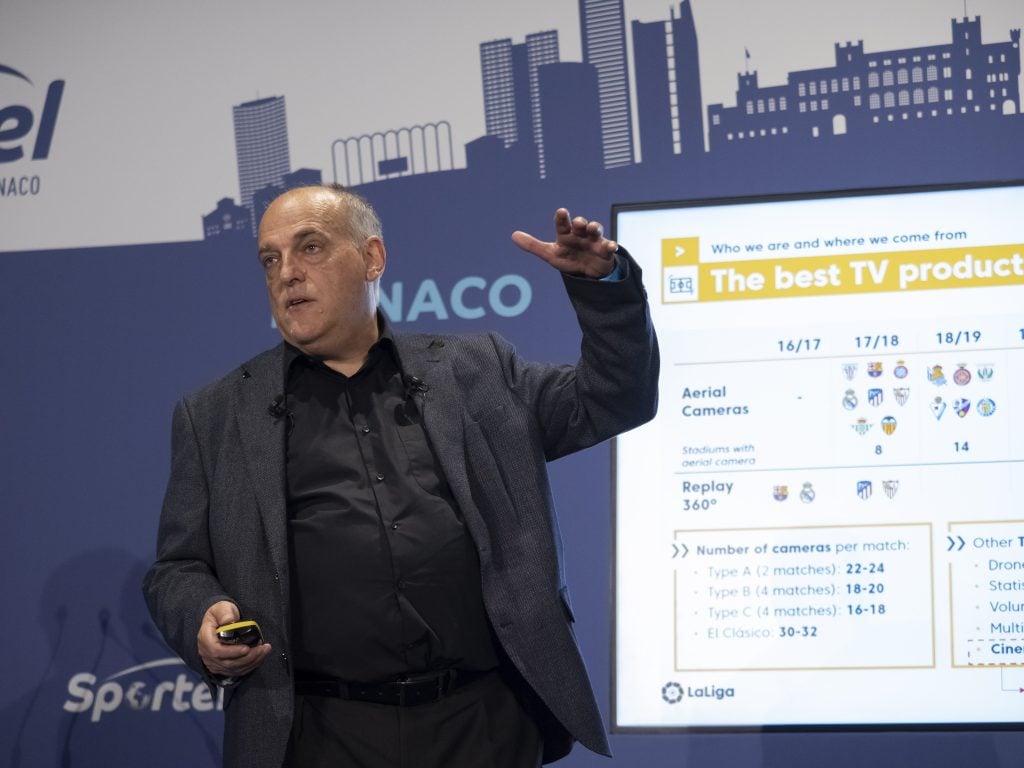
Javier Tebas has promised a thorough review of the incident, indicating that the league will consider whether Perez’s statements violated any existing codes of conduct. Sources close to the league suggest that possible outcomes could range from a formal reprimand to more severe penalties, depending on the evidence gathered.
The situation also raises broader questions about the role of club presidents in public discourse. As football navigates an increasingly polarized media environment, stakeholders are debating whether stricter limits should be placed on how high‑profile officials speak about rivals and league matters. This topic echoes similar moments in other competitions, such as when a South Korea blunder gifted Mexico a crucial World Cup victory, highlighting how a single misstep can reshape the narrative of an entire tournament.
In the meantime, both clubs have been urged by La Liga officials to resolve the matter through internal dialogue before any formal sanctions are imposed. The hope is that a respectful cooling‑off period will allow the league to preserve its competitive spirit while upholding standards of conduct expected from its most influential figures.

As the debate continues, fans and analysts alike will be watching closely to see whether La Liga can mediate this high‑profile dispute without damaging the integrity of the competition. Whether the league introduces new guidelines or settles for a verbal warning, the incident will likely serve as a reference point for future discussions about presidential speech and sportsmanship in Spanish football.

The outcome will shape not only the relationship between Barca and Real but also set precedents for how La Liga handles similar challenges moving forward.