World Cup hydration breaks have become a battleground between player welfare, fan experience, and commercial opportunity. While teams use the three-minute pauses as tactical timeouts, broadcasters in many countries are turning them into a lucrative advertising goldmine—generating over $250 million in the USA alone.
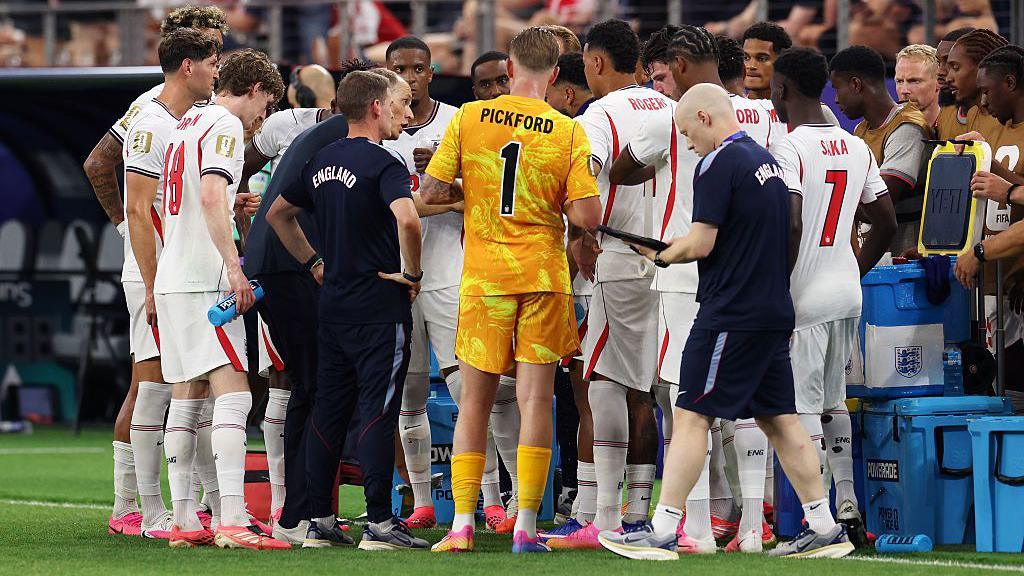
How Hydration Break Ads Work
Mandatory hydration breaks occur midway through each half, lasting three minutes. Broadcasters can insert ads 20 seconds after the referee blows the whistle, and must stop 30 seconds before play resumes. This creates up to eight additional 30-second ad slots per match—832 across the tournament. In the US, a 30-second spot on Fox Sports costs between $200,000 and $300,000, rising to $750,000 for USA matches and knockout stages. That means US broadcasters alone could rake in more than $250 million from hydration break ads.
Mixed Reactions Worldwide
Fans have loudly jeered the breaks at nearly every stadium, and managers and players criticize them for disrupting match momentum. Yet the commercial appeal is undeniable. In the UK, viewers are protected because the BBC is ad-free and ITV's Ofcom regulations limit ad time, so they see only tactical analysis. But in many other markets—including Mexico, Canada, France, Germany, Italy, Spain, China, Japan, India, Australia, and the Middle East—ads are used to varying extents.
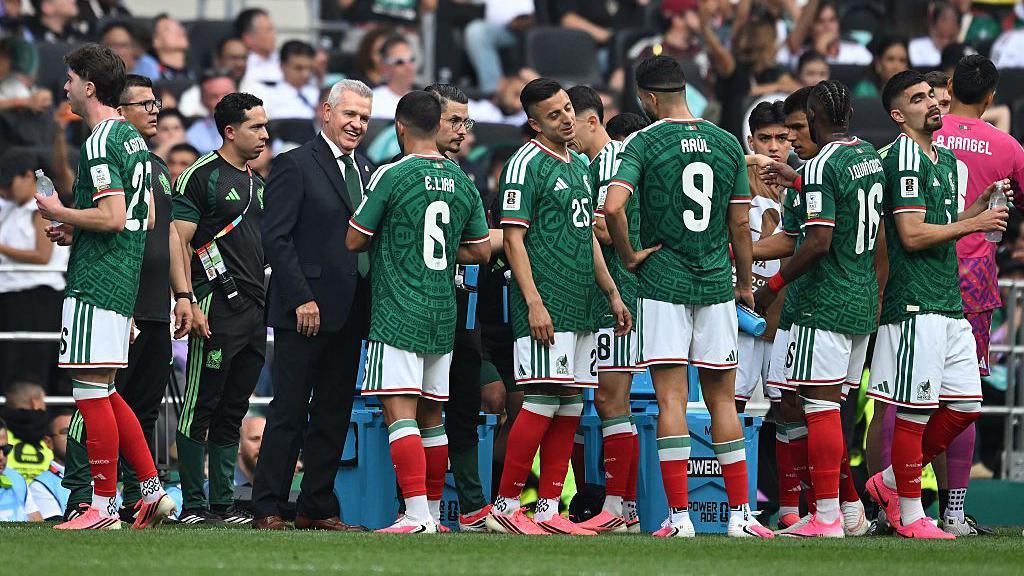
US Broadcasters Embrace In-Play Advertising
Fox Sports has gone all-in, using maximum ad time, sponsoring the break itself, and showing full-screen commercials. Rob di Gisi, a sport management lecturer at the University of Pennsylvania, explains: "Americans have been used to in-play ads for 40–50 years, so this fits culturally. There's little pushback; changes that make games more Americanized are embraced." In contrast, Telemundo, the Spanish-language US broadcaster, has refused to air ads during breaks, with a commentator saying: "We prefer the old school way—show the fans, not corporate direction."
Player Welfare vs. Commercialism
FIFA insists the breaks are for player safety in North American heat, and that sporting integrity requires equal application in all matches—even in air-conditioned domes. But the extra revenue stream has critics questioning whether player welfare is being exploited. The breaks have also been likened to Wonderwall sing-along one of my favourite England moments - Kane, where fan engagement can be either magical or disruptive.
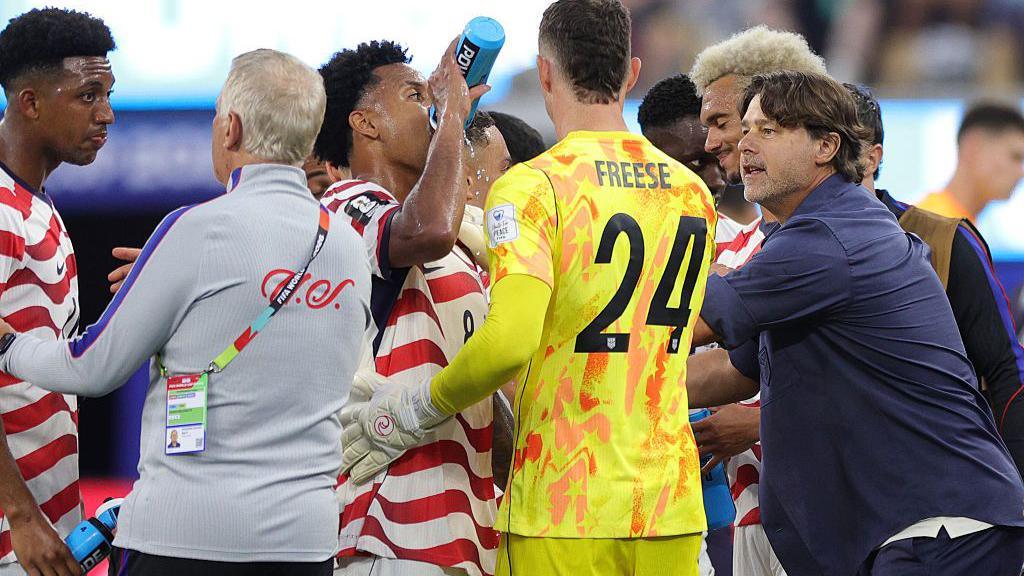
What Does the Future Hold?
With the 2026 World Cup in North America, hydration breaks are likely here to stay—and ads could become a permanent fixture in football. As broadcasters seek new revenue streams, fans may need to accept more commercial interruptions. However, the backlash suggests a delicate balance: too many ads could alienate viewers, while too few leaves money on the table.
- Revenue potential: $250 million in US alone
- Countries with ads: USA, Mexico, Canada, France, Germany, Italy, Spain, China, Japan, India, Australia, Middle East, Sub-Saharan Africa
- Fans' reaction: Loud boos at venues; criticism from players and managers
- UK exception: Ad-free due to BBC and Ofcom restrictions
- Future outlook: Likely permanent for 2026 World Cup
As the debate continues, one thing is clear: hydration breaks have become a $250 million mini-industry. Whether that's a win for football or a sell-out remains to be seen.